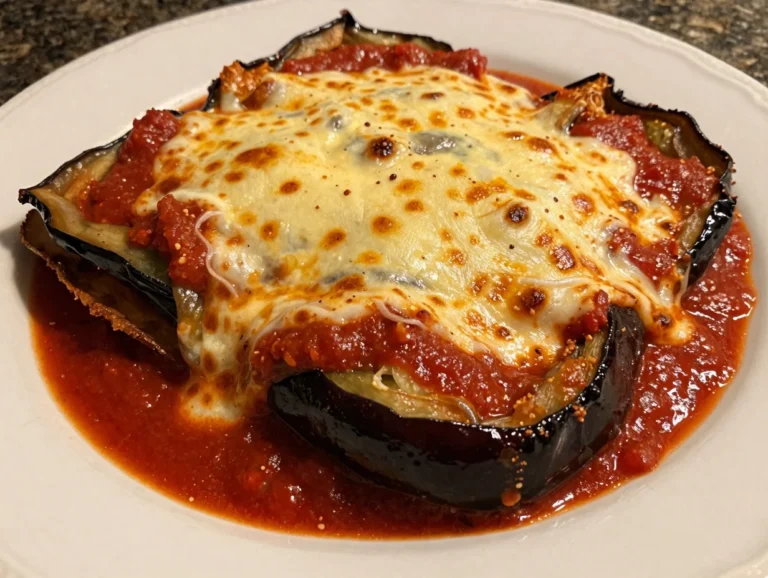
Overnight Egg Casserole
Sunday mornings in our childhood home always felt like a whirlwind of activity. Henry, my older brother, usually took charge of the kitchen while I assisted by setting the table or whisking the eggs. We both remember the specific smell of savory sausage and melted cheddar wafting through the hallways.

Our mother perfected the art of the Overnight Egg Casserole to save herself from the morning rush. She taught us that a good meal does not require frantic cooking at dawn. Instead, it requires a little bit of foresight and a lot of love.
Today, Henry and I run Casserolet.com to share these exact types of recipes with you. We believe that home cooks deserve flavorful, nourishing meals that do not cause stress. This Overnight Egg Casserole remains one of our absolute favorite traditions.
It brings back memories of family gatherings, holiday mornings, and slow weekends spent together. When you pull this dish out of the oven, you are not just serving breakfast. You are serving a piece of our family history. We have refined this Overnight Egg Casserole over the years to ensure every bite is perfectly custardy, cheesy, and satisfying.
Why You’ll Love This Overnight Egg Casserole Recipe
You will quickly realize why this Overnight Egg Casserole is a staple in so many American households. First, the convenience factor is unbeatable. You do all the heavy lifting the night before.
This means you can enjoy your morning coffee while the oven does the work. Second, this Overnight Egg Casserole offers incredible versatility. You can clean out your vegetable drawer or use up that leftover ham from dinner.
Third, the texture of a true Overnight Egg Casserole surpasses any quick breakfast bake. Because the bread soaks in the egg mixture for hours, it creates a souffle-like consistency that is light yet filling. Henry always says that the resting period is the secret ingredient.
It allows the flavors of the spices and the richness of the cheese to penetrate every single crumb. Furthermore, this Overnight Egg Casserole feeds a crowd easily. Whether you have a large family or you are hosting a brunch, this recipe scales beautifully.
You will love how the top gets golden and crispy while the center stays tender. Finally, this Overnight Egg Casserole reheats perfectly. If you have leftovers, they make a fantastic quick lunch for the following Monday. It is a win-win for any busy home cook who values both quality and efficiency.
Ingredients You’ll Need
Creating a delicious Overnight Egg Casserole requires simple, high-quality ingredients that you likely already have in your pantry. We recommend using fresh eggs and a sturdy bread to ensure the best results. Below is the list of components that make this dish shine.
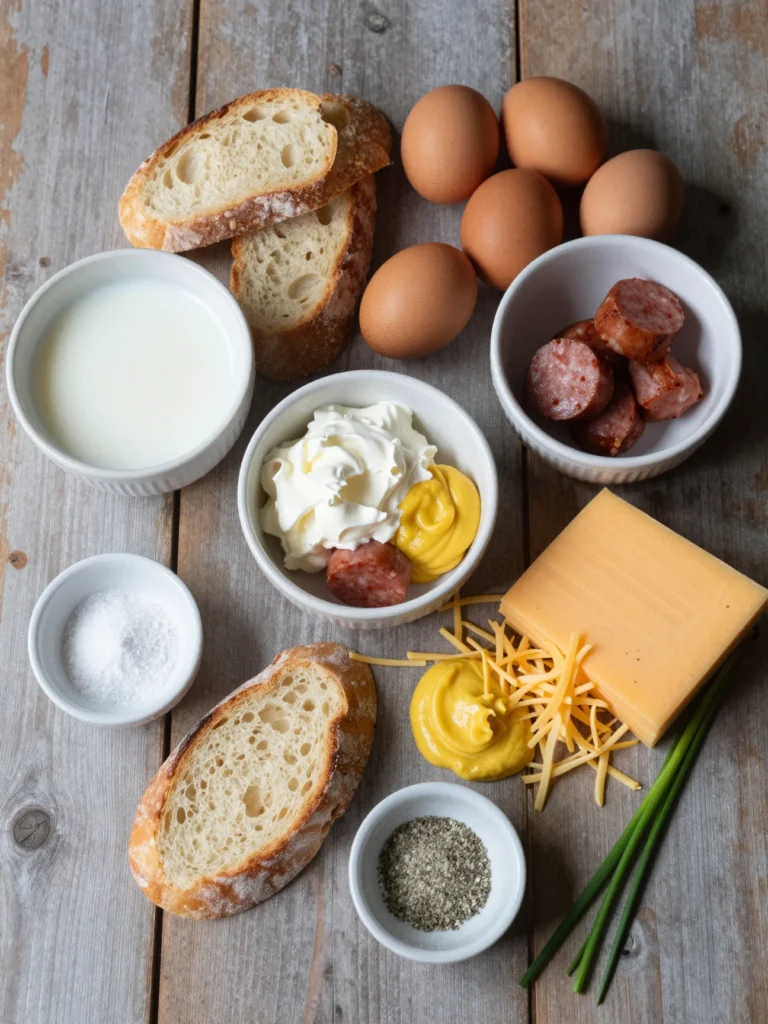
| Ingredient | Quantity | Notes |
|---|---|---|
| Stale French or Italian Bread | 6-8 Cups | Cut into 1-inch cubes |
| Large Eggs | 10-12 Units | Room temperature is best |
| Whole Milk | 2 Cups | Provides a rich texture |
| Heavy Cream | 1/2 Cup | Adds extra creaminess |
| Ground Breakfast Sausage | 1 Pound | Browned and drained |
| Sharp Cheddar Cheese | 2 Cups | Freshly shredded melts better |
| Dijon Mustard | 1 Tablespoon | Adds a subtle tang |
| Salt and Pepper | To Taste | Adjust based on meat saltiness |
| Onion Powder and Garlic Powder | 1 Teaspoon each | For deep savory flavor |
| Fresh Chives or Parsley | 2 Tablespoons | For a pop of color and freshness |
Substitutions & Variations
We encourage you to make this Overnight Egg Casserole your own. Henry often adds a kick of heat to his version, while I prefer a garden-heavy approach. If you want to change the protein, try using cooked bacon bits or diced ham instead of sausage.
For a vegetarian Overnight Egg Casserole, simply omit the meat and add sautéed mushrooms, bell peppers, and spinach. You can also swap the cheese. Swiss, Gruyère, or Monterey Jack all work beautifully in an Overnight Egg Casserole.
If you are looking for a gluten-free option, use your favorite gluten-free bread cubes. Just ensure the bread is hearty enough to withstand the overnight soak. For those who enjoy a bit of spice, add diced jalapeños or a dash of hot sauce to the egg mixture.
You can even experiment with different types of bread like sourdough for a tangy twist or brioche for a sweeter, richer Overnight Egg Casserole. The possibilities are truly endless when you use this base recipe as your canvas.
If you’re looking to customize your Overnight Egg Casserole, consider trying out our Sheet Pan Za’atar Chicken for a flavorful protein addition.
Step-by-Step Instructions
Follow these steps to ensure your Overnight Egg Casserole turns out perfectly every single time. Preparation is the key to success here.
- Prepare the Pan: Grease a 9×13 inch baking dish generously with butter or non-stick cooking spray. This prevents the Overnight Egg Casserole from sticking to the edges.
- Cook the Meat: In a large skillet over medium heat, brown the breakfast sausage until it is no longer pink. Drain the excess fat thoroughly. This step is crucial to prevent your Overnight Egg Casserole from becoming too greasy.
- Layer the Bread: Place the bread cubes in the prepared baking dish. Spread them out evenly to create a solid base.
- Add Toppings: Sprinkle the cooked sausage and 1.5 cups of the shredded cheese over the bread cubes. Toss them slightly so the ingredients distribute evenly throughout the Overnight Egg Casserole.
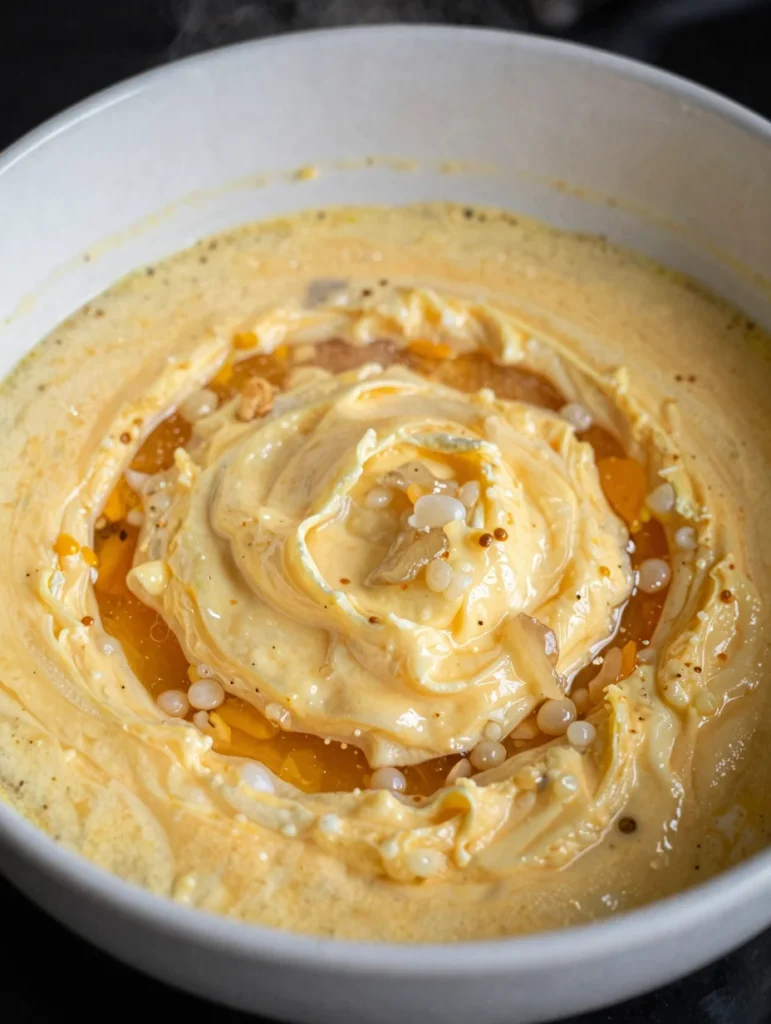
- Whisk the Liquids: In a large mixing bowl, whisk together the eggs, milk, heavy cream, Dijon mustard, and spices. Ensure the eggs are fully incorporated with the milk.
- Pour and Soak: Pour the egg mixture slowly over the bread and meat layers. Use a spatula to press down on the bread, ensuring every piece absorbs the liquid.
- Refrigerate: Cover the dish tightly with plastic wrap or foil. Place the Overnight Egg Casserole in the refrigerator for at least 8 hours, or up to 24 hours.
- Bake: Preheat your oven to 375°F (190°C). Remove the casserole from the fridge while the oven heats. Remove the cover and sprinkle the remaining 0.5 cup of cheese on top.
- Final Touch: Bake for 45-50 minutes. The Overnight Egg Casserole should be puffed up and golden brown. A knife inserted in the center should come out clean.
- Rest and Serve: Let the dish rest for 10 minutes before slicing. This allows the internal structure to set.
Pro Tips for Success
To achieve the ultimate Overnight Egg Casserole, you should pay attention to the details. First, always use stale bread. Fresh, soft bread tends to turn into mush when it soaks in the egg mixture.
If your bread is fresh, toast the cubes in a low oven for 10 minutes before starting. Second, do not skimp on the resting time. The Overnight Egg Casserole needs those hours in the fridge to hydrate the bread properly.
This creates the airy, custard-like texture everyone loves. Third, Henry recommends grating your own cheese. Pre-shredded cheese often contains anti-caking agents that prevent it from melting smoothly into the Overnight Egg Casserole.
Freshly grated cheddar provides a much better pull and flavor. Also, make sure you whisk your eggs thoroughly. You want a uniform mixture without large streaks of egg white.
Finally, if you notice the top of your Overnight Egg Casserole browning too quickly in the oven, tent it loosely with foil. This allows the center to cook through without burning the surface. These small adjustments make a world of difference in the final product.
For more tips on achieving the perfect texture in your dishes, check out our One Pan Chicken Tikka recipe that emphasizes the importance of preparation.
Storage & Reheating Tips
If you have leftover Overnight Egg Casserole, you are in luck. It stores remarkably well. You can keep the cooked casserole in the refrigerator for up to 3-4 days.
Ensure you cover it tightly or place slices in an airtight container to maintain freshness. To reheat a single serving, use the microwave for about 60-90 seconds. However, if you want to preserve the crispy top of the Overnight Egg Casserole, use the oven or a toaster oven.
Reheat it at 350°F until it is warmed through. Can you freeze Overnight Egg Casserole? Yes, you can!
We recommend freezing it after baking. Slice it into individual portions, wrap them in plastic wrap, and then place them in a freezer bag. They will stay good for up to two months.
When you are ready to eat, thaw a slice in the fridge overnight and reheat as usual. This makes the Overnight Egg Casserole a perfect meal-prep option for busy weekdays when you still want a hearty breakfast.
What to Serve With This Recipe
While this Overnight Egg Casserole is a complete meal on its own, a few side dishes can elevate your breakfast experience. Henry and I love serving this with a fresh fruit salad to balance the savory richness. A simple mix of berries, melon, and citrus works wonders.
You might also consider a side of crispy hash browns or roasted potatoes if you want a more indulgent spread. For a lighter touch, a simple arugula salad with a lemon vinaigrette cuts through the cheese and eggs beautifully. Of course, no Overnight Egg Casserole is complete without a hot cup of coffee or a fresh glass of orange juice.
If you are serving this for a special brunch, consider a mimosa or a spicy bloody mary. The savory notes of the Overnight Egg Casserole pair excellently with the acidity of tomato juice or the bubbles of champagne. No matter what you choose, the casserole will remain the star of the show.
To complement your Overnight Egg Casserole, consider serving it alongside our One Pan BBQ Chicken for a delightful breakfast spread.
Nutrition Information (per serving)
This Overnight Egg Casserole is a hearty dish packed with protein and healthy fats. Below is an approximate nutritional breakdown based on a standard serving size (one-eighth of the recipe).

| Nutrient | Amount |
|---|---|
| Calories | 420 kcal |
| Total Fat | 28g |
| Saturated Fat | 14g |
| Cholesterol | 245mg |
| Sodium | 850mg |
| Total Carbohydrates | 18g |
| Dietary Fiber | 1g |
| Sugars | 4g |
| Protein | 24g |
FAQs
Can I use different types of bread for an Overnight Egg Casserole?
Yes, you can use various types of bread for your Overnight Egg Casserole. Sourdough offers a wonderful tang, while Challah or Brioche adds a touch of sweetness and a very soft texture. The most important factor is the density.
Avoid very thin, soft sandwich bread as it may become too soggy. Always aim for a crusty, hearty loaf that can stand up to the moisture of the eggs and milk.
How long can an Overnight Egg Casserole sit in the fridge before baking?
We recommend letting your Overnight Egg Casserole sit for at least 8 hours for the best texture. However, you can safely leave it in the refrigerator for up to 24 hours. If you leave it much longer than that, the bread may begin to break down too much, leading to a less desirable consistency. If you are in a rush, even a 2-hour soak is better than nothing, but the “overnight” aspect is what truly makes this recipe special.
Can you freeze an Overnight Egg Casserole?
You can freeze an Overnight Egg Casserole either before or after baking. We prefer freezing it after it has been cooked and cooled. This allows you to reheat individual portions quickly.
If you freeze it unbaked, make sure to thaw it completely in the refrigerator before putting it in the oven. Wrapped properly, it lasts about two months in the freezer without losing its signature flavor.
Why is my Overnight Egg Casserole watery?
A watery Overnight Egg Casserole usually happens for two reasons. First, you might have added vegetables with high water content, like mushrooms or spinach, without sautéing them first. Always cook your veggies to release their moisture before adding them to the dish.
Second, you might have underbaked the casserole. Ensure the center is set and a knife comes out clean. If the eggs haven’t fully coagulated, the dish will feel wet.
Do I have to refrigerate it overnight?
While the name implies an overnight stay, the “overnight” part is not strictly mandatory for safety, but it is mandatory for the best quality. The time in the fridge allows the bread to fully absorb the custard. If you bake an Overnight Egg Casserole immediately, the bread might float to the top and the bottom might stay too liquid. If you are short on time, try to give it at least 30 to 60 minutes to rest before hitting the oven.

Overnight Egg Casserole
Ingredients
Method
- Grease a 9x13 inch baking dish generously with butter or non-stick cooking spray.
- In a large skillet over medium heat, brown the breakfast sausage until it is no longer pink. Drain the excess fat thoroughly.
- Place the bread cubes in the prepared baking dish, spreading them out evenly.
- Sprinkle the cooked sausage and 1.5 cups of the shredded cheese over the bread cubes.
- In a large mixing bowl, whisk together the eggs, milk, heavy cream, Dijon mustard, and spices until fully incorporated.
- Pour the egg mixture slowly over the bread and meat layers, pressing down on the bread to ensure every piece absorbs the liquid.
- Cover the dish tightly with plastic wrap or foil and refrigerate for at least 8 hours, or up to 24 hours.
- Preheat your oven to 375°F (190°C). Remove the casserole from the fridge, uncover, and sprinkle the remaining 0.5 cup of cheese on top.
- Bake for 45-50 minutes until puffed up and golden brown, with a knife inserted in the center coming out clean.
- Let the dish rest for 10 minutes before slicing.