Sheet Pan Moroccan Chicken
Growing up in a home where the kitchen served as the heartbeat of our daily lives, my brother Henry and I learned that food communicates love better than words ever could. Henry, who is now 37, always acted as my mentor when we started Casserolet.com. He taught me that bold flavors do not require hours of complicated labor.
One specific rainy Tuesday evening in our home kitchen, we felt a deep craving for something exotic yet comforting. We looked through our pantry and found a half-used jar of Ras el Hanout and a package of chicken thighs. That evening, the first version of our Sheet Pan Moroccan Chicken came to life.
The aroma that filled our house was absolutely intoxicating. It combined the warmth of cinnamon with the earthy punch of cumin and turmeric. We realized that this Sheet Pan Moroccan Chicken was too good not to share with our community of home cooks.
This dish perfectly represents our philosophy of simple, nourishing, and flavorful cooking. You do not need a traditional clay tagine to achieve these incredible North African flavors. Instead, you only need a single baking tray and a few fresh ingredients to make Sheet Pan Moroccan Chicken.
Every time we roast a batch of this Sheet Pan Moroccan Chicken, it brings back memories of that rainy Tuesday. We hope this recipe becomes a staple in your household just as it has in ours. When you pull this Sheet Pan Moroccan Chicken out of the oven, the colors of the roasted peppers and golden chicken will instantly brighten your mood.
It truly is a feast for both the eyes and the palate. Let us dive into why this Sheet Pan Moroccan Chicken is a total game changer for your weeknight routine.
Why You’ll Love This Sheet Pan Moroccan Chicken
You will absolutely adore this Sheet Pan Moroccan Chicken for several reasons. First, the cleanup remains minimal because everything happens on one single pan. Henry and I believe that nobody should spend their entire evening scrubbing pots and pans.
Consequently, this Sheet Pan Moroccan Chicken offers the perfect solution for busy families. Second, the flavor profile is incredibly complex despite the simple preparation. The blend of warm spices creates a depth of flavor that tastes like it simmered for hours.
Furthermore, this Sheet Pan Moroccan Chicken provides a complete, balanced meal. You get high-quality protein from the chicken and plenty of fiber from the colorful vegetables and chickpeas. The chickpeas become slightly crispy in the oven, which adds a delightful texture to the Sheet Pan Moroccan Chicken.
Additionally, this recipe is highly adaptable. You can swap the vegetables based on what you have in your refrigerator. This Sheet Pan Moroccan Chicken also works wonderfully for meal prep.
The flavors actually intensify as the dish sits, making the leftovers taste even better the next day. If you want to impress guests without breaking a sweat, this Sheet Pan Moroccan Chicken is your secret weapon. The vibrant yellow from the turmeric and the bright green from the fresh cilantro make the Sheet Pan Moroccan Chicken look like a professional catering dish.
Most importantly, this recipe brings a touch of adventure to your dinner table. It breaks the monotony of standard chicken and potato dinners with an explosion of Moroccan-inspired zest.
Ingredients You’ll Need
To create the best Sheet Pan Moroccan Chicken, you should gather fresh, high-quality ingredients. We recommend using bone-in, skin-on chicken thighs for the most succulent results. However, you can certainly use boneless thighs if you prefer a faster cooking time.
The spices are the soul of this Sheet Pan Moroccan Chicken, so ensure your spice cabinet is well-stocked. We use a combination of Ras el Hanout, which is a traditional Moroccan spice blend, along with extra turmeric and cinnamon for warmth. The sweetness of the red onions and bell peppers balances the savory spices beautifully.
We also include chickpeas to add more heartiness to the Sheet Pan Moroccan Chicken. Do not forget the lemon wedges. Roasting the lemons alongside the chicken releases a concentrated citrus juice that acts as a natural sauce. Finally, fresh herbs like cilantro or parsley provide the essential finishing touch to your Sheet Pan Moroccan Chicken.
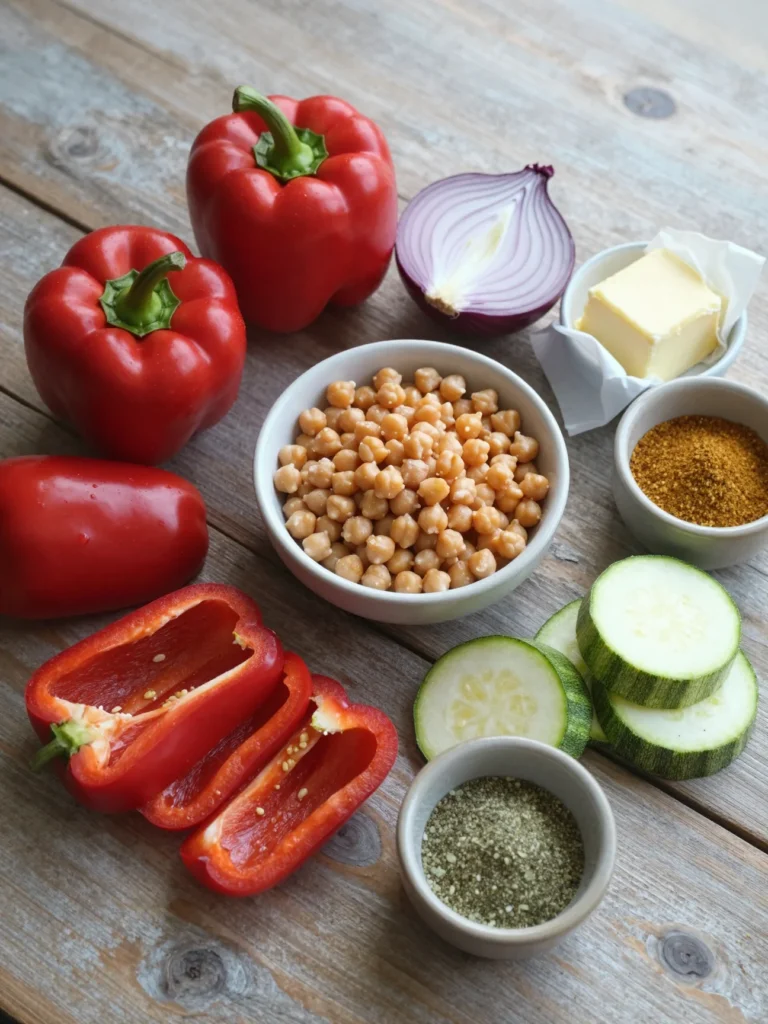
| Ingredient Category | Item | Quantity |
|---|---|---|
| Protein | Chicken Thighs (bone-in, skin-on) | 2 lbs (approx. 6 pieces) |
| Vegetables | Red Bell Pepper (sliced) | 2 large |
| Vegetables | Red Onion (wedged) | 1 large |
| Vegetables | Zucchini (thick rounds) | 1 medium |
| Legumes | Chickpeas (canned, drained, and rinsed) | 15 oz can |
| Oil & Acid | Extra Virgin Olive Oil | 1/4 cup |
| Oil & Acid | Lemon (half sliced, half juiced) | 1 large |
| Spices | Ras el Hanout | 1.5 tbsp |
| Spices | Turmeric Powder | 1 tsp |
| Spices | Ground Cinnamon | 1/2 tsp |
| Spices | Garlic (minced) | 4 cloves |
| Garnish | Fresh Cilantro or Parsley | 1/4 cup chopped |
Substitutions & Variations
We understand that every kitchen is different, and we want you to make this Sheet Pan Moroccan Chicken your own. If you cannot find Ras el Hanout at your local grocery store, you can create a quick substitute. Simply mix equal parts ground cumin, coriander, ginger, and a pinch of allspice.
This will still capture the essence of the Sheet Pan Moroccan Chicken flavors. For those who prefer white meat, you can use chicken breasts. However, you must cut the chicken breasts into large chunks so they do not dry out before the vegetables soften.
If you want a lower-carb version of Sheet Pan Moroccan Chicken, replace the chickpeas with extra cauliflower florets. Cauliflower absorbs the Moroccan spices beautifully and provides a wonderful crunch. Some people enjoy a bit of sweetness in their savory dishes.
Therefore, you might consider adding dried apricots or raisins to the tray during the last ten minutes of roasting. These fruits pair perfectly with the cinnamon and turmeric in the Sheet Pan Moroccan Chicken. For a spicy kick, add a teaspoon of Harissa paste to the olive oil marinade.
This adds a smoky heat that elevates the Sheet Pan Moroccan Chicken to a new level. If you are cooking for a larger crowd, simply double the recipe and use two separate baking sheets. Just remember to rotate the sheets halfway through the cooking process to ensure even browning. No matter which variation you choose, the core technique of the Sheet Pan Moroccan Chicken remains reliable and delicious.
If you’re looking to explore more chicken recipes, check out our Sheet Pan Za’atar Chicken. This dish offers a delightful twist with its unique blend of spices that complements the Moroccan flavors beautifully.
Step-by-Step Instructions
Follow these simple steps to achieve a perfect Sheet Pan Moroccan Chicken every single time. Henry always says that preparation is the key to a stress-free dinner, so organize your workspace before you begin.
First, preheat your oven to 425 degrees Fahrenheit (220 degrees Celsius). A hot oven is crucial for achieving crispy chicken skin and caramelized vegetables. Next, prepare your large rimmed baking sheet by lining it with parchment paper or aluminum foil for easy cleanup.
While the oven heats up, prepare the marinade for your Sheet Pan Moroccan Chicken. In a small bowl, whisk together the olive oil, lemon juice, minced garlic, Ras el Hanout, turmeric, cinnamon, salt, and pepper. This golden oil will infuse every component of the Sheet Pan Moroccan Chicken with flavor.
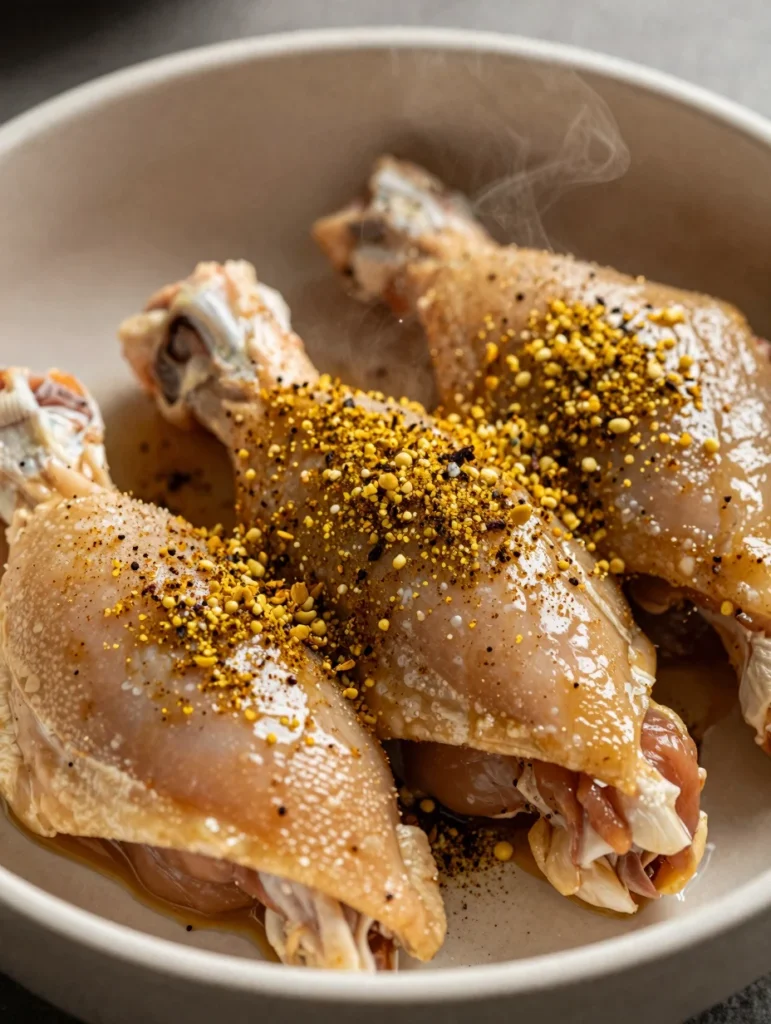
Then, place the chicken thighs in a large mixing bowl. Pour half of the spice mixture over the chicken and use your hands to coat each piece thoroughly. Make sure you get the spices under the skin for maximum flavor.
Set the chicken aside for a few minutes while you prep the vegetables. Slice the bell peppers into thick strips and cut the red onion into wedges. Slice the zucchini into half-inch rounds. If you slice the vegetables too thin, they might burn before the Sheet Pan Moroccan Chicken finishes cooking.
Now, place the peppers, onions, zucchini, and drained chickpeas onto the prepared baking sheet. Pour the remaining spice marinade over the vegetables and toss them until they are well-coated. Spread the vegetables out into an even layer, leaving enough space for the chicken pieces.
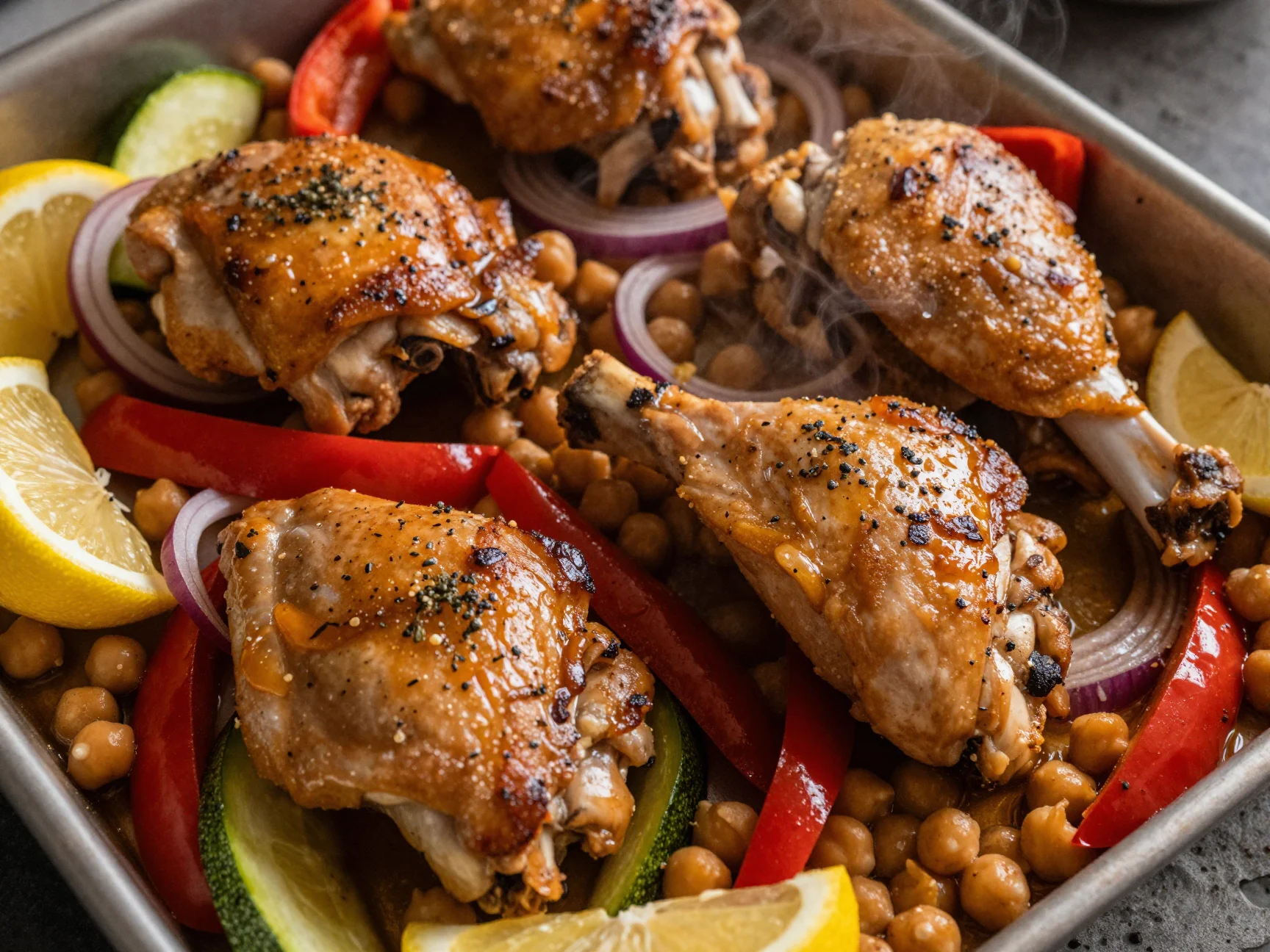
Next, nestle the marinated chicken thighs among the vegetables. Place the lemon slices on top of the chicken and vegetables for an extra burst of citrus. This arrangement allows the chicken juices to drip down and flavor the vegetables as the Sheet Pan Moroccan Chicken roasts.
Slide the baking sheet into the center of the oven. Roast the Sheet Pan Moroccan Chicken for 30 to 35 minutes. If you use bone-in thighs, ensure the internal temperature reaches 165 degrees Fahrenheit.
Halfway through the roasting time, use a spatula to gently toss the vegetables. This ensures they cook evenly and do not stick to the pan. Once the chicken skin is golden and crispy, remove the Sheet Pan Moroccan Chicken from the oven.
Let the dish rest for five minutes before serving. This short rest allows the juices to redistribute, keeping the chicken tender. Finally, sprinkle the fresh cilantro over the entire tray. Your Sheet Pan Moroccan Chicken is now ready to enjoy!
Pro Tips for Success
To truly master the Sheet Pan Moroccan Chicken, keep a few expert tips in mind. First, do not overcrowd the pan. If the ingredients are piled on top of each other, they will steam instead of roast.
This prevents the chicken skin from getting crispy and the vegetables from caramelizing. If necessary, use two pans to give the Sheet Pan Moroccan Chicken enough breathing room. Second, always pat the chicken dry with paper towels before adding the marinade.
Moisture is the enemy of crispy skin, so this step is vital for the best Sheet Pan Moroccan Chicken texture. Third, use a high-quality olive oil. Since the oil forms the base of the sauce, its flavor significantly impacts the final Sheet Pan Moroccan Chicken.
Fourth, consider the size of your vegetable cuts. Denser vegetables like sweet potatoes require more time, so cut them smaller. Conversely, softer vegetables like bell peppers should remain in larger chunks.
This strategy ensures that everything in your Sheet Pan Moroccan Chicken finishes cooking at the same time. Finally, do not skip the fresh herbs at the end. The brightness of the cilantro or parsley cuts through the warm, heavy spices and balances the entire Sheet Pan Moroccan Chicken experience.
Henry and I often add a dollop of Greek yogurt or a drizzle of tahini sauce right before serving. This adds a creamy element that complements the spices in the Sheet Pan Moroccan Chicken perfectly.
For additional tips on perfecting your chicken dishes, consider our Sheet Pan Chicken and Green Beans. This recipe emphasizes the importance of space in cooking to achieve that perfect roast.
Storage & Reheating Tips
If you have leftovers of this Sheet Pan Moroccan Chicken, you are in luck! This dish stores beautifully. Simply place the chicken and vegetables in an airtight container once they have cooled to room temperature.
You can keep Sheet Pan Moroccan Chicken in the refrigerator for up to four days. For longer storage, you can freeze the cooked chicken and vegetables for up to two months. However, be aware that the texture of the vegetables might soften slightly after freezing and thawing.
When you are ready to eat your Sheet Pan Moroccan Chicken again, reheating it properly is essential. Avoid using the microwave if you want to maintain the crispy texture of the chicken skin. Instead, place the leftovers back on a baking sheet and heat them in a 350-degree oven for about 10 to 15 minutes.
This method revives the flavors of the Sheet Pan Moroccan Chicken and ensures the chicken stays juicy. If you are in a rush, a toaster oven also works perfectly for smaller portions. If the vegetables seem a bit dry, add a tiny splash of water or another squeeze of lemon juice before reheating.
This moisture will help steam the vegetables slightly and prevent them from burning. Leftover Sheet Pan Moroccan Chicken makes a fantastic lunch the next day when served cold over a bed of fresh spinach or mixed greens. The cold chicken remains flavorful, and the roasted vegetables act as a built-in dressing ingredient.
What to Serve With This Recipe
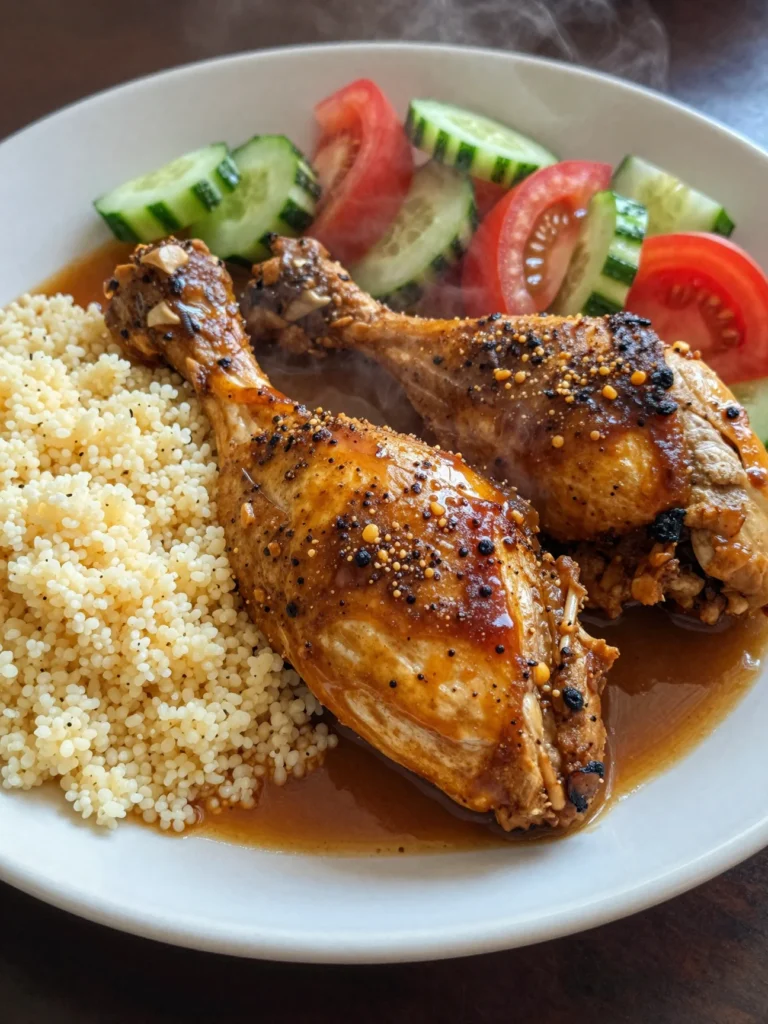
While this Sheet Pan Moroccan Chicken is a complete meal on its own, you can easily pair it with several side dishes. Henry and I often serve this alongside a bowl of fluffy couscous. The couscous acts like a sponge, soaking up all the flavorful juices from the Sheet Pan Moroccan Chicken tray.
If you prefer a gluten-free option, quinoa or basmati rice also work exceptionally well. For a lighter pairing, consider a simple cucumber and tomato salad with a light lemon vinaigrette. The crunch of fresh vegetables provides a nice contrast to the roasted Sheet Pan Moroccan Chicken.
Another great accompaniment is warm pita bread or naan. You can use the bread to scoop up the roasted chickpeas and soft onions. If you want to lean into the Mediterranean theme, serve some hummus or baba ganoush on the side.
A small bowl of olives and some feta cheese can also enhance the dining experience. For a truly authentic touch, serve a pot of hot mint tea after the meal. This traditional Moroccan custom cleanses the palate after the bold flavors of the Sheet Pan Moroccan Chicken. No matter what you choose, keep the sides simple to let the Sheet Pan Moroccan Chicken remain the star of the show.
If you’re interested in more flavorful chicken options, try our Sheet Pan Chicken Fajitas. They make a great pairing with the Moroccan Chicken, offering a vibrant and tasty meal.
Nutrition Information (per serving)
This Sheet Pan Moroccan Chicken is not only delicious but also highly nutritious. It provides a great balance of lean protein, healthy fats, and complex carbohydrates. Using olive oil ensures you get heart-healthy monounsaturated fats.
The inclusion of various vegetables provides a wide array of vitamins and antioxidants. This Sheet Pan Moroccan Chicken recipe is naturally dairy-free and can be easily made grain-free. We believe that eating well should never mean sacrificing flavor, and this dish proves that point perfectly.
| Nutrient | Amount Per Serving |
|---|---|
| Calories | 420 kcal |
| Total Fat | 24g |
| Saturated Fat | 5g |
| Cholesterol | 115mg |
| Sodium | 580mg |
| Total Carbohydrates | 18g |
| Dietary Fiber | 5g |
| Sugars | 4g |
| Protein | 32g |
FAQs
What is in Moroccan spice mix?
The most famous Moroccan spice mix is Ras el Hanout. This complex blend typically contains over a dozen spices. Common ingredients include cumin, ginger, cardamom, cinnamon, coriander, turmeric, and cloves.
Some versions also include rose petals or lavender for a floral note. Using this blend in your Sheet Pan Moroccan Chicken provides an authentic and deeply aromatic flavor profile that is hard to replicate with single spices alone.
Can I use chicken breasts for Sheet Pan Moroccan Chicken?
Yes, you can use chicken breasts for Sheet Pan Moroccan Chicken. However, chicken breasts cook faster and dry out more easily than thighs. To prevent this, cut the breasts into large, uniform chunks.
You should also check the internal temperature earlier, usually around the 20-minute mark. Thighs remain more forgiving and flavorful in the high heat of the oven, which is why we recommend them for this specific Sheet Pan Moroccan Chicken recipe.
What vegetables go well with Moroccan chicken?
Many vegetables pair beautifully with Sheet Pan Moroccan Chicken. Root vegetables like carrots, parsnips, and sweet potatoes are excellent choices because they caramelize well. Zucchini, bell peppers, and red onions offer a softer texture and vibrant color.
You can also try adding cauliflower or even hearty greens like kale during the last five minutes of roasting. The key is to choose vegetables that can withstand the high roasting temperature of the Sheet Pan Moroccan Chicken.
Is Sheet Pan Moroccan Chicken gluten-free?
This Sheet Pan Moroccan Chicken recipe is naturally gluten-free. It relies on fresh whole foods like poultry, vegetables, and legumes. Always check the label on your Ras el Hanout spice blend, as some manufacturers may add anti-caking agents that contain gluten. As long as your spices are pure and you avoid serving it with gluten-containing grains like couscous, your Sheet Pan Moroccan Chicken remains a safe and delicious option for those with gluten sensitivities.
How do I keep the chicken juicy on a sheet pan?
To keep the chicken juicy in your Sheet Pan Moroccan Chicken, use bone-in, skin-on thighs. The bone helps conduct heat evenly, while the skin acts as a barrier that prevents the meat from drying out. Additionally, do not overcook the meat.
Use a meat thermometer to pull the Sheet Pan Moroccan Chicken out exactly when it hits 165 degrees Fahrenheit. Finally, letting the chicken rest for a few minutes before cutting into it ensures the juices stay inside the meat rather than running out onto the pan.
Sheet Pan Moroccan Chicken
Ingredients
Method
- Preheat your oven to 425 degrees Fahrenheit (220 degrees Celsius).
- Prepare a large rimmed baking sheet by lining it with parchment paper or aluminum foil.
- In a small bowl, whisk together the olive oil, lemon juice, minced garlic, Ras el Hanout, turmeric, cinnamon, salt, and pepper.
- Place the chicken thighs in a large mixing bowl and coat them with half of the spice mixture.
- Slice the bell peppers, cut the red onion into wedges, and slice the zucchini into half-inch rounds.
- Place the peppers, onions, zucchini, and drained chickpeas onto the prepared baking sheet and toss with the remaining spice marinade.
- Nestle the marinated chicken thighs among the vegetables and place lemon slices on top.
- Roast in the oven for 30 to 35 minutes, ensuring the internal temperature of the chicken reaches 165 degrees Fahrenheit.
- Toss the vegetables halfway through roasting for even cooking.
- Let the dish rest for five minutes before serving and sprinkle with fresh cilantro.