Roasted Ratatouille
Growing up in our family kitchen, my brother Henry and I always felt a special kind of magic during the late summer months. Our garden would overflow with vibrant eggplants, shiny zucchinis, and heavy, sun-ripened tomatoes. Henry, being eight years older, usually took the lead on the stove while I focused on the prep work.
One humid August afternoon, we decided to experiment with a classic French dish. Instead of the traditional slow simmer on the stovetop, we spread those gorgeous vegetables across large sheet pans and popped them into a hot oven. That was the day we discovered the absolute joy of Roasted Ratatouille.
The way the high heat concentrated the natural sugars in the peppers and softened the eggplant into a buttery texture changed our cooking style forever. Now, at Casserolet.com, we want to share this foolproof Roasted Ratatouille recipe with you. It represents everything we believe about food, it is simple, nourishing, and packed with layers of flavor that only come from quality ingredients.
This Roasted Ratatouille is not just a side dish for us, it is a memory of our childhood home and the bond we share as siblings. When you pull that tray of Roasted Ratatouille out of the oven, the aroma will fill your home and bring everyone to the table. We promise this Roasted Ratatouille will become a staple in your household just as it has in ours.
Why You Will Love This Roasted Ratatouille Recipe
You will absolutely adore this Roasted Ratatouille because it simplifies a complex classic without sacrificing any depth. Traditional ratatouille requires a lot of standing over a hot stove, stirring a heavy pot. However, this Roasted Ratatouille allows the oven to do all the heavy lifting.
The roasting process creates caramelized edges on every single piece of vegetable. You get a smoky sweetness that a simmered stew simply cannot replicate. Our Roasted Ratatouille also maintains the integrity of the vegetables.
Instead of everything turning into a soft mush, each bite of this Roasted Ratatouille offers a distinct texture. Henry loves how the eggplant stays creamy while the bell peppers keep a slight bite. Furthermore, this Roasted Ratatouille is naturally vegan, gluten-free, and incredibly healthy.
It fits perfectly into almost any dietary plan. We also find that Roasted Ratatouille tastes even better the next day, making it the ultimate meal prep option. Whether you are a beginner cook or a seasoned pro, the ease of this Roasted Ratatouille will impress you.
It is a vibrant, colorful masterpiece that looks beautiful on any dinner table. Plus, cleaning up after making Roasted Ratatouille is a breeze since you only use a couple of baking sheets. We truly believe this version of Roasted Ratatouille is the most flavorful way to enjoy summer produce.
Ingredients You Will Need
To make the best Roasted Ratatouille, you need to start with fresh, high-quality produce. Henry and I always recommend visiting a local farmers market if possible. The quality of your Roasted Ratatouille depends entirely on the freshness of these vegetables.
You want firm eggplants, crisp peppers, and juicy tomatoes. We also use plenty of garlic and fresh herbs to elevate the flavor profile of the Roasted Ratatouille.
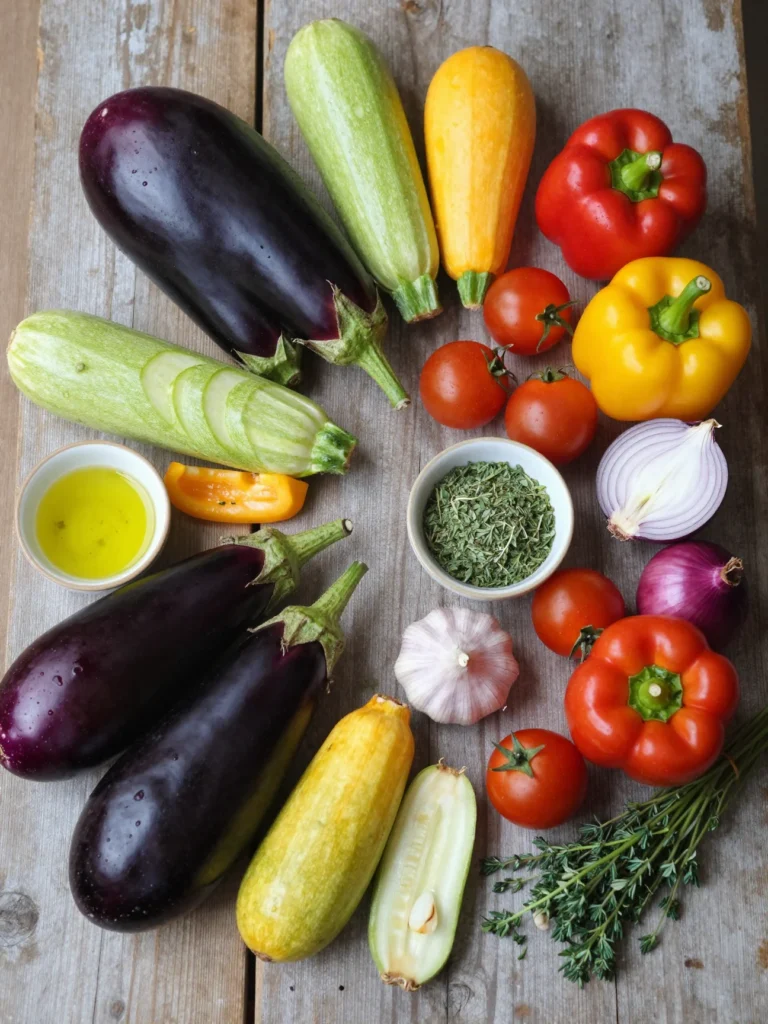
| Ingredient | Quantity | Notes |
|---|---|---|
| Eggplant | 1 large or 2 medium | Cut into 1-inch cubes |
| Zucchini | 2 medium | Sliced into thick half-moons |
| Yellow Squash | 1 medium | Sliced into thick half-moons |
| Red Bell Pepper | 1 large | De-seeded and chopped into chunks |
| Yellow Bell Pepper | 1 large | De-seeded and chopped into chunks |
| Red Onion | 1 medium | Roughly chopped |
| Cherry Tomatoes | 2 cups | Kept whole for bursting |
| Garlic | 4-5 cloves | Minced or smashed |
| Extra Virgin Olive Oil | 1/3 cup | Use high-quality oil |
| Dried Oregano | 1 teaspoon | Adds earthy depth |
| Fresh Thyme | 3-4 sprigs | Leaves removed from stems |
| Salt and Black Pepper | To taste | Be generous with the salt |
| Fresh Basil | 1/4 cup | Torn or chiffonade for garnish |
| Balsamic Glaze | Optional | For a sweet and tangy finish |
Each ingredient in this list plays a vital role in the success of your Roasted Ratatouille. The eggplant acts as a sponge, soaking up the garlic-infused oil. The tomatoes burst during the roasting process, creating a natural sauce that binds the Roasted Ratatouille together.
Never skip the red onion, as it provides a necessary sharpness that balances the sweetness of the peppers. This Roasted Ratatouille thrives on the harmony of these specific elements.
Substitutions & Variations
One of the best things about Roasted Ratatouille is its incredible versatility. Henry often says that a recipe is just a roadmap, and you can take a few detours along the way. If you cannot find a traditional eggplant, try using Japanese eggplants for your Roasted Ratatouille.
They have thinner skin and fewer seeds. If you prefer a bit of heat in your Roasted Ratatouille, sprinkle some red pepper flakes over the vegetables before they go into the oven. For a more Mediterranean twist, add a handful of kalamata olives or capers to the Roasted Ratatouille halfway through the cooking time.
You can also swap the fresh thyme for rosemary if you want a more woodsy aroma in your Roasted Ratatouille. If you are looking to add protein, toss in a can of drained chickpeas before roasting. The chickpeas will get slightly crispy and add a wonderful texture to the Roasted Ratatouille.
Some people like to add a sprinkle of parmesan cheese or feta cheese right before serving their Roasted Ratatouille, which adds a salty, savory kick. If you do not have fresh basil, a spoonful of store-bought pesto stirred into the finished Roasted Ratatouille works wonders. No matter how you choose to vary it, the core technique of making Roasted Ratatouille remains the same.
One of the best things about Roasted Ratatouille is its incredible versatility. If you’re looking for another delicious vegetable dish, check out our Herb Roasted Veggie Casserole for more inspiration.
Step-by-Step Instructions
Follow these steps closely to ensure your Roasted Ratatouille turns out perfectly every single time. Henry and I have refined this process through years of trial and error in our own kitchen.
- Preheat the Oven: Start by preheating your oven to 425 degrees Fahrenheit (220 degrees Celsius). A hot oven is crucial for the Roasted Ratatouille to achieve those beautiful caramelized edges.
- Prepare the Vegetables: Wash all your produce thoroughly. Cut the eggplant, zucchini, squash, and peppers into uniform 1-inch pieces. Keeping the sizes consistent ensures that everything in your Roasted Ratatouille cooks at the same rate.
- Combine and Season: Place all the chopped vegetables, including the cherry tomatoes and minced garlic, into a very large mixing bowl. Pour the olive oil over the top. Add the dried oregano, fresh thyme, salt, and pepper. Use your hands or a large spoon to toss everything together until every piece is well-coated. This coating is what makes the Roasted Ratatouille so flavorful.
- Arrange on Baking Sheets: Spread the vegetables out across two large rimmed baking sheets. Do not crowd the pans. If the vegetables are too close together, they will steam instead of roast. For the best Roasted Ratatouille, you want plenty of airflow around each piece.
- Roast: Place the pans in the oven. Roast the vegetables for about 35 to 45 minutes. Halfway through the cooking time, use a spatula to flip and toss the vegetables. This ensures the Roasted Ratatouille browns evenly on all sides.
- Check for Doneness: The Roasted Ratatouille is finished when the eggplant is tender, the peppers have charred spots, and the tomatoes have burst. The vegetables should look vibrant and slightly shrunken.
- Final Garnish: Remove the Roasted Ratatouille from the oven. While it is still hot, toss in the fresh basil. The residual heat will release the basil’s aroma without wilting it too much. Drizzle with balsamic glaze if you desire.
- Rest and Serve: Let the Roasted Ratatouille sit for five minutes before serving. This allows the juices to settle and the flavors to meld together perfectly.
This process transforms humble ingredients into an extraordinary Roasted Ratatouille. We love watching the colors deepen as the vegetables cook. The smell of roasting garlic and tomatoes is truly one of life’s greatest pleasures. Once you master this method, you will never want to make Roasted Ratatouille any other way.
Pro Tips for Success
To elevate your Roasted Ratatouille from good to great, we have a few insider tips. First, do not be afraid of the salt. Vegetables like eggplant and zucchini need proper seasoning to bring out their natural flavors in the Roasted Ratatouille.
Second, ensure your oven is truly at the right temperature before you put the pans in. Use an oven thermometer if you have one. If the oven is too cool, your Roasted Ratatouille will be soggy rather than caramelized.
Third, try to use a heavy-duty baking sheet. Thin sheets can warp at high temperatures and cause the Roasted Ratatouille to cook unevenly. Henry always reminds me to cut the eggplant slightly larger than the other vegetables.
Eggplant contains a lot of water and shrinks significantly during the Roasted Ratatouille cooking process. By starting with larger pieces, you ensure the eggplant remains meaty and substantial.
Another tip for the best Roasted Ratatouille is to use a high-smoke point oil if you plan on roasting at even higher temperatures, but for 425 degrees, a good extra virgin olive oil is perfect. Finally, if you want a deeper tomato flavor, you can add a tablespoon of tomato paste to the oil and herb mixture before tossing the vegetables for your Roasted Ratatouille.
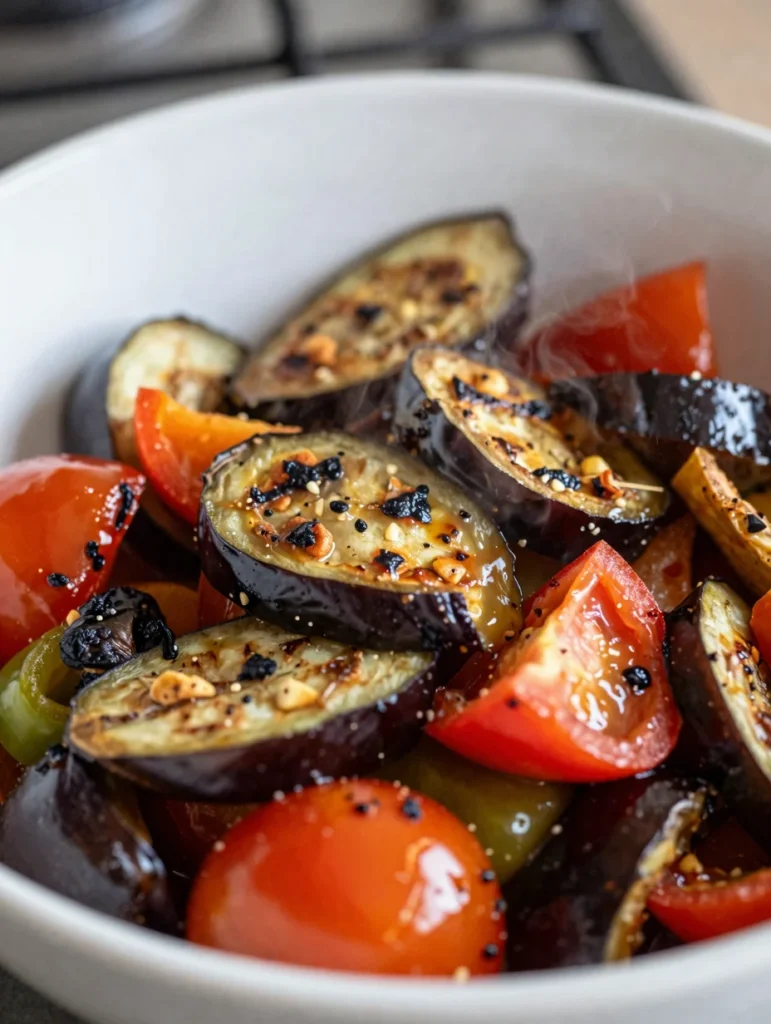
To elevate your Roasted Ratatouille from good to great, we have a few insider tips. For a delightful twist, consider pairing it with our Greek Chicken Orzo Casserole for a complete meal.
Storage & Reheating Tips
Roasted Ratatouille is one of those rare dishes that improves with age. If you have leftovers, simply place them in an airtight container. You can store Roasted Ratatouille in the refrigerator for up to five days.
The flavors will continue to develop as it sits, making it a fantastic lunch option throughout the week. When you are ready to reheat your Roasted Ratatouille, we recommend using the oven or a skillet. To reheat in the oven, spread the Roasted Ratatouille on a baking sheet and heat at 350 degrees Fahrenheit for about 10 minutes.
This helps maintain the texture of the vegetables. If you are in a hurry, you can use the microwave, but the Roasted Ratatouille might lose some of its roasted crispness. For a quick stovetop reheat, toss the Roasted Ratatouille into a warm pan with a splash of water or olive oil.
We do not recommend freezing Roasted Ratatouille. The high water content in zucchinis and eggplants causes them to become quite mushy once thawed. However, since this Roasted Ratatouille is so easy to make, you can simply whip up a fresh batch whenever the craving strikes.
What to Serve With This Roasted Ratatouille
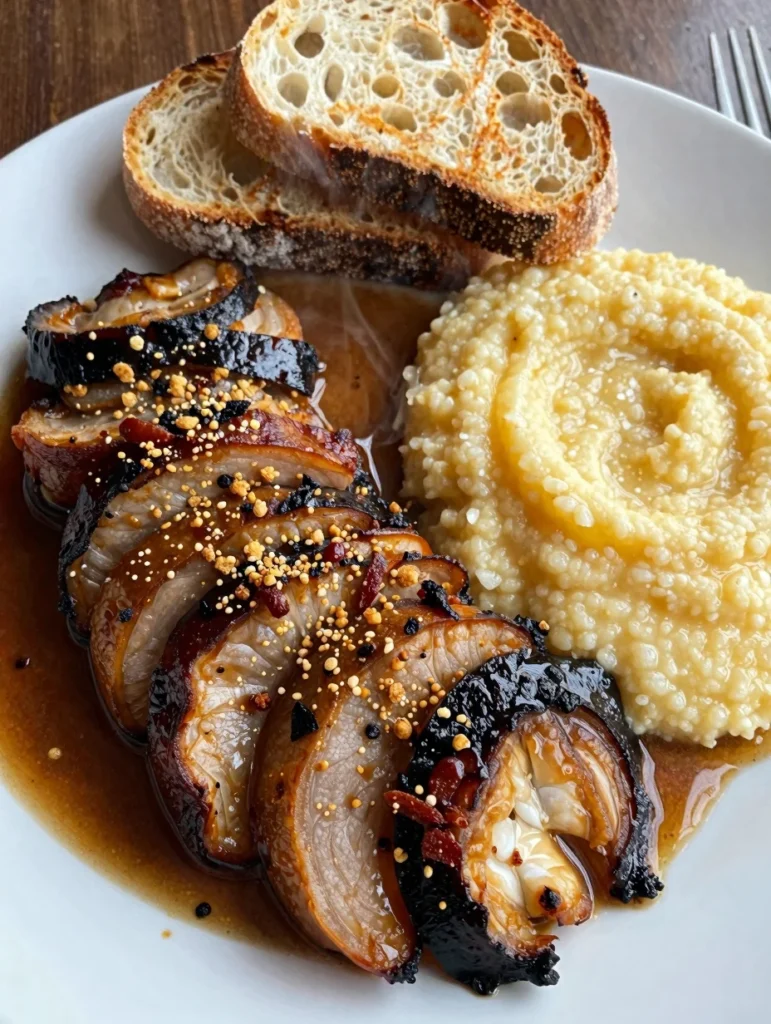
The beauty of Roasted Ratatouille lies in its flexibility. It can serve as a hearty vegetarian main course or a sophisticated side dish. Henry and I love serving Roasted Ratatouille over a bed of creamy polenta or fluffy couscous.
The grains soak up all the delicious juices from the roasted vegetables. If you want a classic French experience, serve your Roasted Ratatouille with a thick slice of crusty sourdough bread. You can use the bread to scoop up every last bit of the Roasted Ratatouille.
For meat eaters, Roasted Ratatouille pairs beautifully with grilled chicken, roasted lamb, or seared salmon. The acidity of the tomatoes in the Roasted Ratatouille cuts through the richness of the meat perfectly. You can also toss leftover Roasted Ratatouille with your favorite pasta shape.
Add a splash of pasta water and some extra parmesan for an instant gourmet meal. We have even used Roasted Ratatouille as a topping for bruschetta or as a filling for an omelet the next morning. The possibilities are truly endless when you have a bowl of Roasted Ratatouille ready in your fridge.
The beauty of Roasted Ratatouille lies in its flexibility. If you’re interested in adding protein to your meal, try serving it alongside our Turkey Meatball Casserole for a satisfying combination.
Nutrition Information (per serving)
Roasted Ratatouille is a nutritional powerhouse. It is low in calories but very high in essential vitamins and minerals. Because we use a variety of colorful vegetables, this Roasted Ratatouille provides a wide range of antioxidants.
It is an excellent way to get your daily servings of fiber. Below is the estimated nutritional breakdown for one serving of our Roasted Ratatouille, assuming the recipe serves four people.
| Nutrient | Amount per Serving |
|---|---|
| Calories | 185 kcal |
| Total Fat | 14g |
| Saturated Fat | 2g |
| Sodium | 350mg |
| Total Carbohydrates | 16g |
| Dietary Fiber | 6g |
| Sugars | 8g |
| Protein | 3g |
| Vitamin C | 85% DV |
| Vitamin A | 25% DV |
This Roasted Ratatouille is a guilt-free addition to any meal. It provides lasting energy without the heavy feeling of processed foods. Henry and I often make a double batch of Roasted Ratatouille just to ensure we have healthy snacks available all week long. The high fiber content in the Roasted Ratatouille helps keep you full and satisfied.
FAQs
What is the difference between traditional ratatouille and roasted ratatouille?
Traditional ratatouille is a stew made by simmering vegetables in a pot on the stove, often adding them in stages. Roasted Ratatouille involves tossing all the vegetables together and cooking them at high heat in the oven. The roasting method produces a more concentrated flavor and better texture, as it allows for caramelization that stovetop simmering cannot achieve. Many home cooks prefer Roasted Ratatouille because it is less labor-intensive.
Do I need to peel the eggplant for roasted ratatouille?
No, you do not need to peel the eggplant for Roasted Ratatouille. The skin of the eggplant becomes very tender during the roasting process and contains many nutrients. However, if you are using a very large, older eggplant with thick skin, you might find it slightly bitter. In that case, you can partially peel it in a “zebra” pattern before dicing it for your Roasted Ratatouille.
Can I make roasted ratatouille ahead of time?
Absolutely! Roasted Ratatouille is an excellent make-ahead dish. In fact, many people find that the flavors of the Roasted Ratatouille develop and intensify after sitting in the refrigerator overnight.
You can serve it cold, at room temperature, or reheated. This makes Roasted Ratatouille a perfect choice for dinner parties or busy weeknights when you want to prep in advance.
Why did my roasted ratatouille turn out soggy?
Soggy Roasted Ratatouille usually happens for two reasons. First, you might have crowded the baking sheet. When vegetables are packed too tightly, they release steam, which prevents them from browning.
Second, your oven might not have been hot enough. For a crisp and caramelized Roasted Ratatouille, ensure your oven is preheated to at least 425 degrees Fahrenheit and use two pans to give the vegetables plenty of space.
Is roasted ratatouille keto-friendly?
Yes, Roasted Ratatouille is generally considered keto-friendly. While vegetables like onions and peppers contain some natural sugars, the overall carbohydrate count per serving is relatively low. Roasted Ratatouille is packed with fiber, which reduces the net carb count. To keep it strictly keto, you can slightly reduce the amount of onions and tomatoes and increase the amount of zucchini and eggplant in your Roasted Ratatouille.
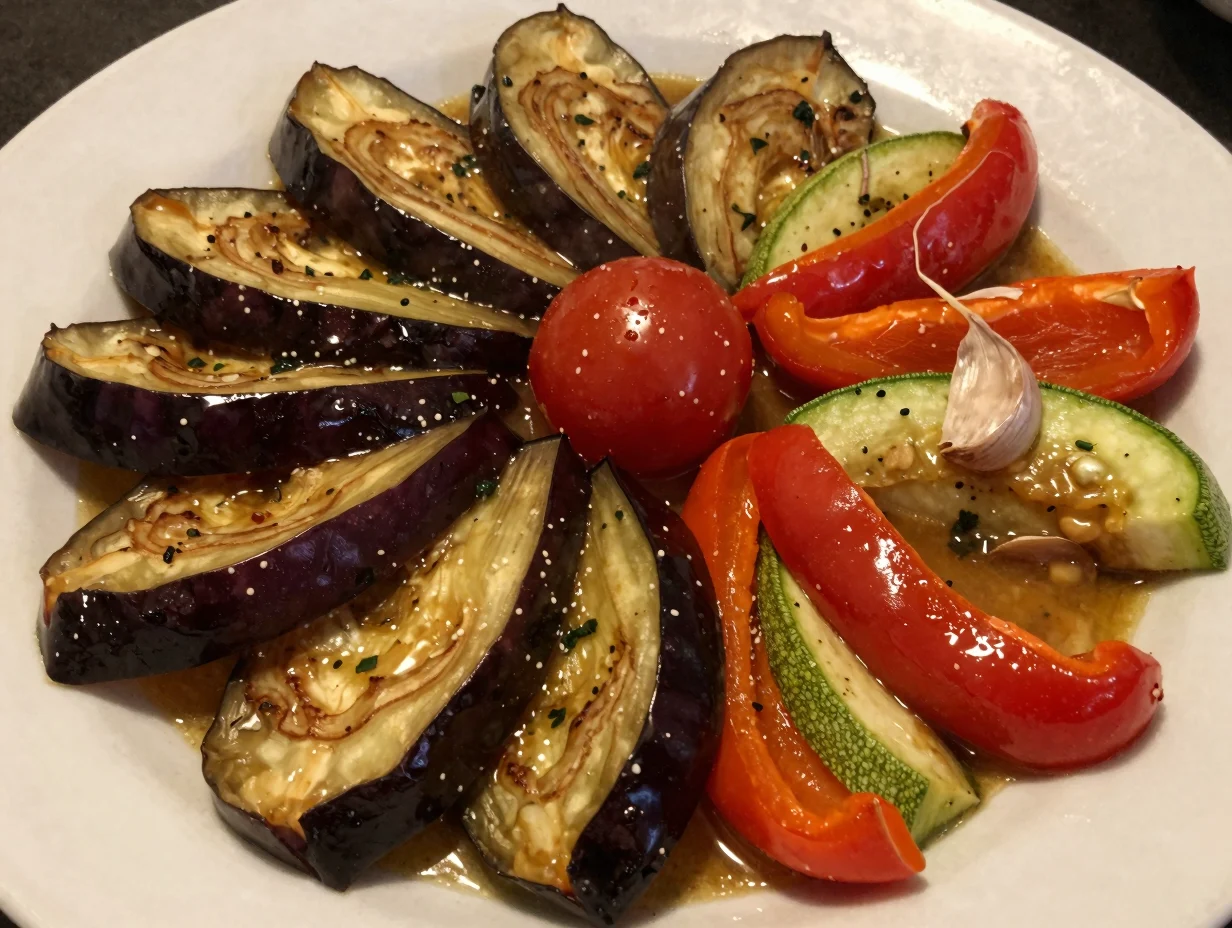
Roasted Ratatouille
Ingredients
Method
- Preheat your oven to 425 degrees Fahrenheit (220 degrees Celsius).
- Wash all your produce thoroughly. Cut the eggplant, zucchini, squash, and peppers into uniform 1-inch pieces.
- Place all the chopped vegetables, including the cherry tomatoes and minced garlic, into a very large mixing bowl. Pour the olive oil over the top. Add the dried oregano, fresh thyme, salt, and pepper. Toss everything together until well-coated.
- Spread the vegetables out across two large rimmed baking sheets, ensuring they are not crowded.
- Roast the vegetables for about 35 to 45 minutes, flipping them halfway through for even browning.
- Check for doneness; the eggplant should be tender, the peppers should have charred spots, and the tomatoes should have burst.
- Remove from the oven and toss in the fresh basil. Drizzle with balsamic glaze if desired.
- Let the Roasted Ratatouille sit for five minutes before serving.